Does Lack of Sleep Affect Mental Health?
It's no secret that getting enough sleep is crucial for maintaining physical health. Heart disease and type 2 diabetes are just two of the detrimental health effects of sleep deprivation. But what impact does sleep have on mental health?
A few psychiatric
disorders can interfere with sleep, and sleep difficulties can make many mental
disorders, such as bipolar disorder, anxiety, and
depression, worse.
According to research,
there is a complicated connection between sleep and mental health. Despite the
fact that many psychiatric diseases have long been known to have a negative
impact on sleep, more recent theories contend that sleep deprivation can also
contribute to the onset and maintenance of a variety of mental health issues.

- It is crucial to consult a doctor if you are having trouble falling or staying asleep because of the reciprocal tie between your sleep habits and your mental health.
- The ability of the brain to focus, remember, and regulate emotions depends on sleep.
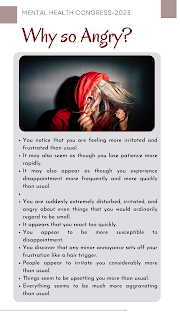
- When we don't get enough sleep, we're more likely to feel irritable and less likely to feel in control of our emotions.
- When someone makes a mistake at work, you might yell at them or abruptly leave the room. You can also conduct erratically and feel like you have a short fuse.
- Even very mild stress might be quite difficult to handle if you don't get enough sleep. Daily inconveniences can become huge sources of annoyance.
- Extreme sleep loss is associated with the emergence of transient psychotic symptoms.
- Although insomnia and other sleep issues can be signs of depression, more recent studies have linked sleep deprivation to the disease itself.
- Being exhausted from persistent sleep problems can make it more difficult to deal with worry sensations. As a result, sleep deprivation can significantly worsen the signs and symptoms of anxiety disorders.
Poor sleep has been
shown to have several harmful impacts, including serious harm to one's
emotional and mental health. However, sleep issues are also believed to be a
cause or a contributing factor in the formation of other mental diseases like
depression and anxiety. Poor sleep may frequently be a sign or consequence of
an existing psychological
ailment.

Comments
Post a Comment